
Product specification / 2 min read
A private label T-shirt specification checklist
The small details that distinguish an intentional basic from a generic blank.
In this guide
Define the fit in measurements
Set a base size with chest, body length, shoulder, sleeve length and opening. Add neck opening and rib width. A fit label such as oversized is useful context, but it cannot replace a measurement chart and a fit reference.
Review jersey and neckline together
Specify main fabric composition, knit, target GSM and finish. Review collar rib recovery, neck tape and seam finish alongside the jersey. Check appearance before and after the agreed care cycle; a stable neckline is part of the overall fit.
Specify the artwork precisely
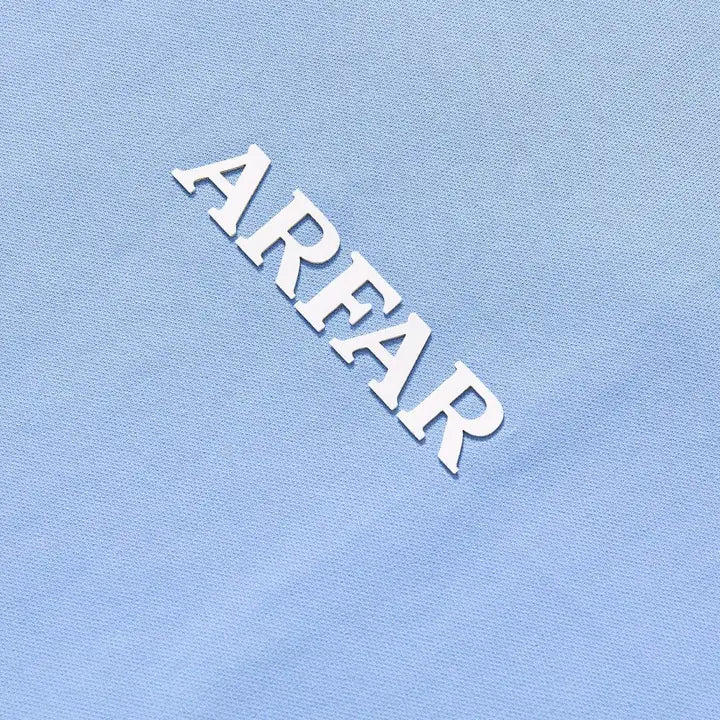
Send vector artwork where available, colors, dimensions and placement. Choose the decoration method after reviewing the fabric and intended effect. Assess print handfeel, alignment and any required durability criteria on a sample.
Keep labels accurate
Define brand and size labels, plus the composition and care label. Label content must reflect the approved material and destination requirements. Do not use a certification mark without checking that the particular product and supply scope are covered.
Use one approval record
Keep the approved sample, final measurement chart, artwork revision and packing instructions together. Record tolerances and any unresolved points before confirming production.
Put the guide into practice.
Send your reference, target quantities and questions. Your brief does not need to have every answer on day one.