
Activewear guide / 2 min read
Custom activewear development: stretch, coverage and movement
Turn performance language into a specification that can be reviewed.
In this guide
Start with the activity
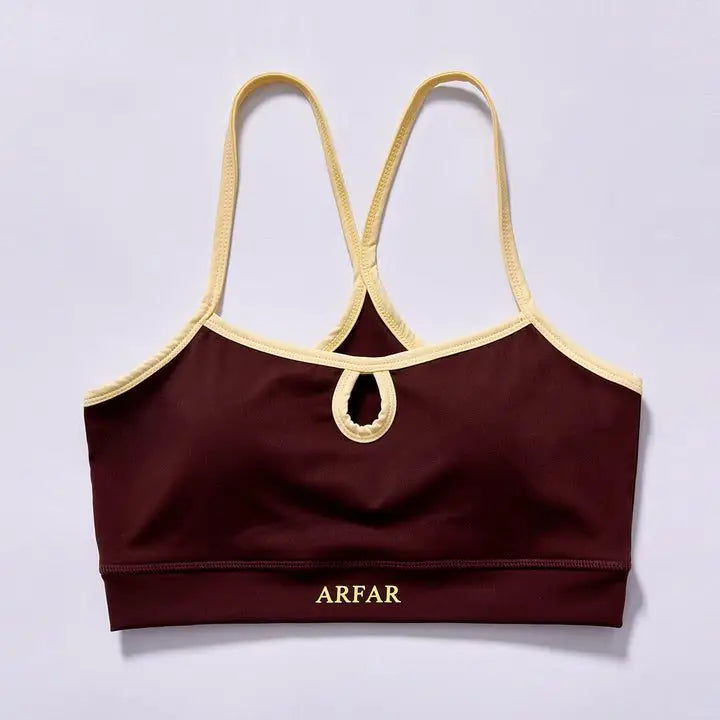
Yoga, studio training and running place different demands on fit and function. Explain the movement, expected coverage and use of pockets or support features. Specify a sports bra separately from its matching leggings, even when both use the same fabric.
Distinguish stretch from recovery
Stretch describes extension; recovery describes how the material returns. Agree the directions and criteria to review for your garment. Composition alone does not establish performance: knit structure, elastane content, finishing and construction all contribute.
Review opacity on the intended fit
Evaluate the selected material at the stretch it experiences on the body. Color, lighting and fit influence the assessment. Record the review method and acceptance criteria so opacity expectations are shared rather than assumed.
Check seams and elastic in movement
Review waistband position, rise, gusset, straps and seam placement through the intended movements. Inspect pressure, rubbing and recovery. For sports bras, define the desired support and assessment method before making a support-level claim.
Request evidence for each claim
Quick-dry, antibacterial, recycled-content or other performance and sourcing claims require appropriate evidence for the order. State the exact claim, target market and required documentation at inquiry stage so feasibility and testing can be discussed.
Put the guide into practice.
Send your reference, target quantities and questions. Your brief does not need to have every answer on day one.